


.jpg&w=2048&q=75)
8/3/2025
“Our origins are of the earth. And so, there is in us a deeply seated response to the natural universe, which is part of our humanity,”
Said American marine biologist and writer Rachel Carson. What if you could reap the benefits of going out into a forest while being indoors where most of us spend the majority our time? First termed by German social psychologist Erich Fromm in 1964 and popularized by American biologist Edward Wilson in 1984, biophilia—“the love of living things” in Greek—was a reaction against nature-isolating urbanism.
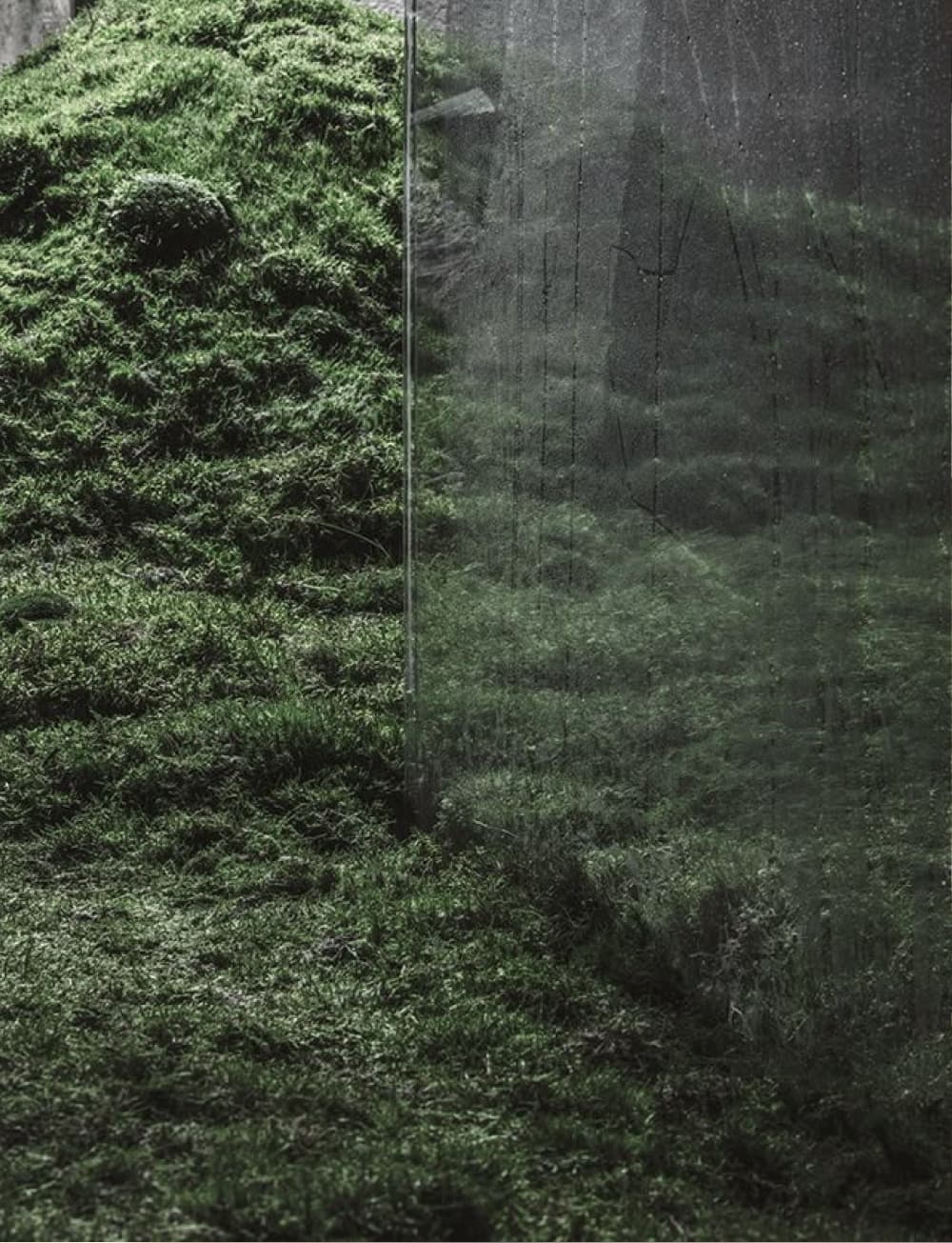
Cisternerne Installation
Hiroshi Sambuichi Brings Nature to Subterranean Copenhagen

Biophilic Architect: Andra Matin
Blurring Boundaries in Future Proof Design
“The passionate love of life and of all that is alive; it is the wish to further growth, whether in a person, a plant, an idea, or a social group.”
Eric Fromm on Biophilia
.jpg&w=3840&q=75)

What is Biophilic Design?
Biophilia is humankind’s innate biological connection with nature. In architecture and design, such spaces can reduce stress, improve cognitive function and creativity, improve our well-being, and expedite healing. Buildings overflowing with plants cast a bucolic picture but true biophilic architecture is more than just an image. It involves integrally incorporating plants, flowing water, biodiversity, natural materials, and plenty of sunlight into everyday spaces.
.jpg&w=2048&q=75)
Wabi Sabi
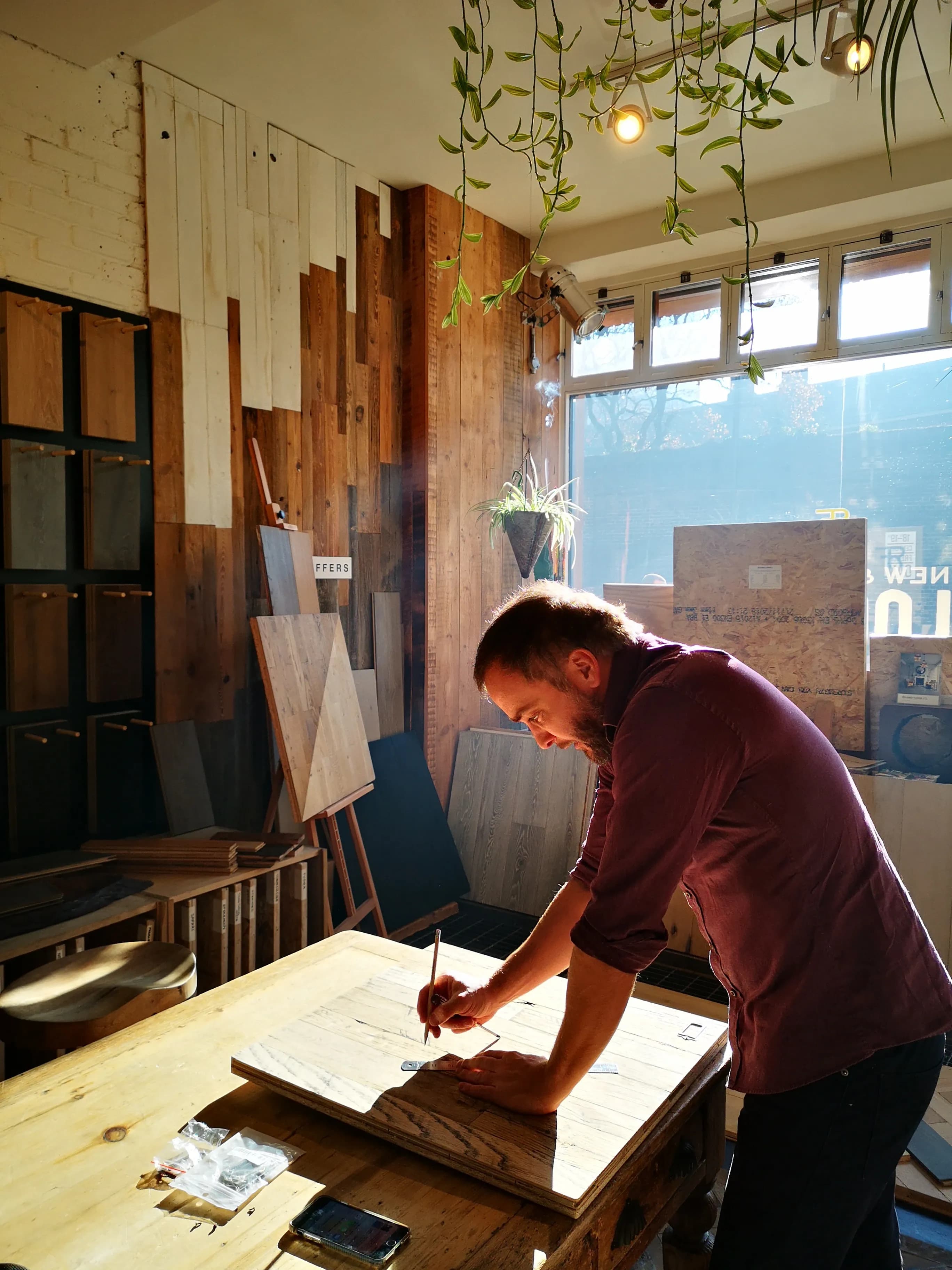
Reclaimed Mid-Century Pine
.jpg&w=2048&q=75)
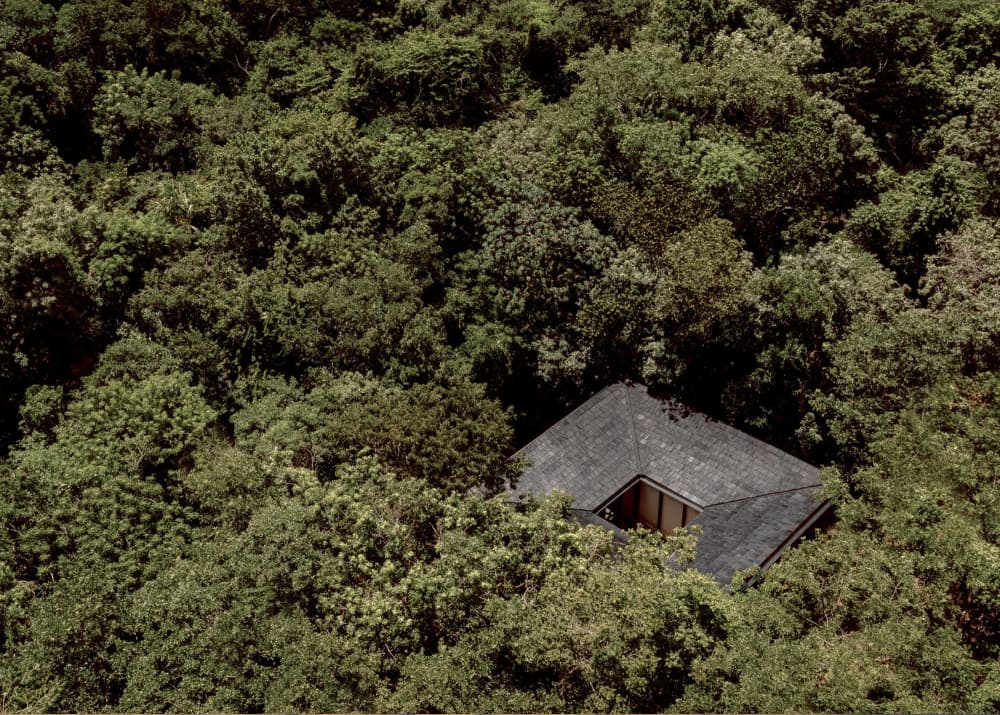
The Indoor Jungle, Japan
Guests Experience The Jungle from A Unique Perspective
Biophilia in Hospitality
Even in the world of hotels, biophilic design can bring a revolutionary approach to interiors, fostering a multisensory connection with the world around us. Take, for example, Innit Lombok, set on a secluded stretch of white-sand beach in Lombok.
Designed by renowned Indonesian architects, Andra Matin, Gregorius Yolodi, and Maria Rosantina, the seven-beach-house haven harmoniously blends with its natural surroundings while incorporating unique architectural designs, such as having sand-floored open-space living and dining areas on the ground floor of the villas.
“Landscape is not an add-on feature, or an optional embellishment, but rather a fundamental component of space. Its deployment creates the opportunity for a new kind of spatial experience, one that specifically echoes and celebrates Singapore’s reputation as the Garden City.”
Moshe Safdie on Jewel Changi Airport